Beyond the Food: Crafting a Memorable Pub Visit
In 2026, a great pub experience is about so much more than just the food. People want a place that feels social, comfortable, and memorable from the moment they step in. This means the best pubs and bars focus on atmosphere, service, technology, events, and community just as much as they do on their menus. Wondering what keeps people coming back? Let's explore why modern hospitality is about much more than food.
For those seeking a welcoming spot to relax, a strong pub experience blends design, drink selection, hospitality, and entertainment into a seamless visit. At Engine Room, we align with how a modern restaurant and bar in Downtown Salt Lake City can create a night out that feels laid-back yet special. Today’s guests are savvy, so understanding broader industry trends is crucial. Check out insights from sources like Hospitality Expo and public health advice from the CDC.
Below, we'll dive into the elements that shape a memorable pub visit, from ambience and service to technology and social experiences. Whether you're a business owner, a hospitality professional, or just someone who loves a well-run pub, these insights reveal why the best nights out are built on far more than great food.
Redefining the Pub Experience
It's About More Than Just a Meal
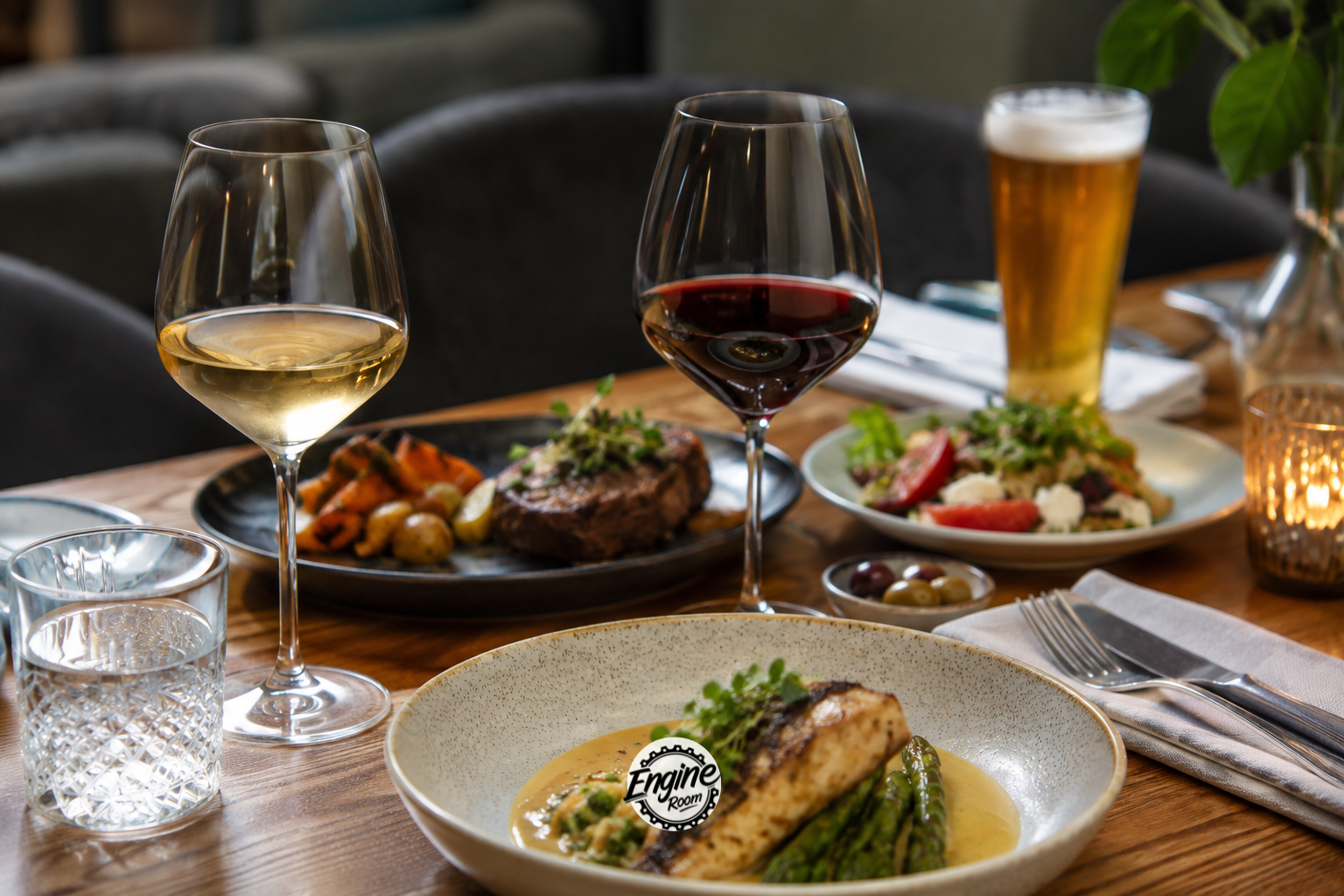
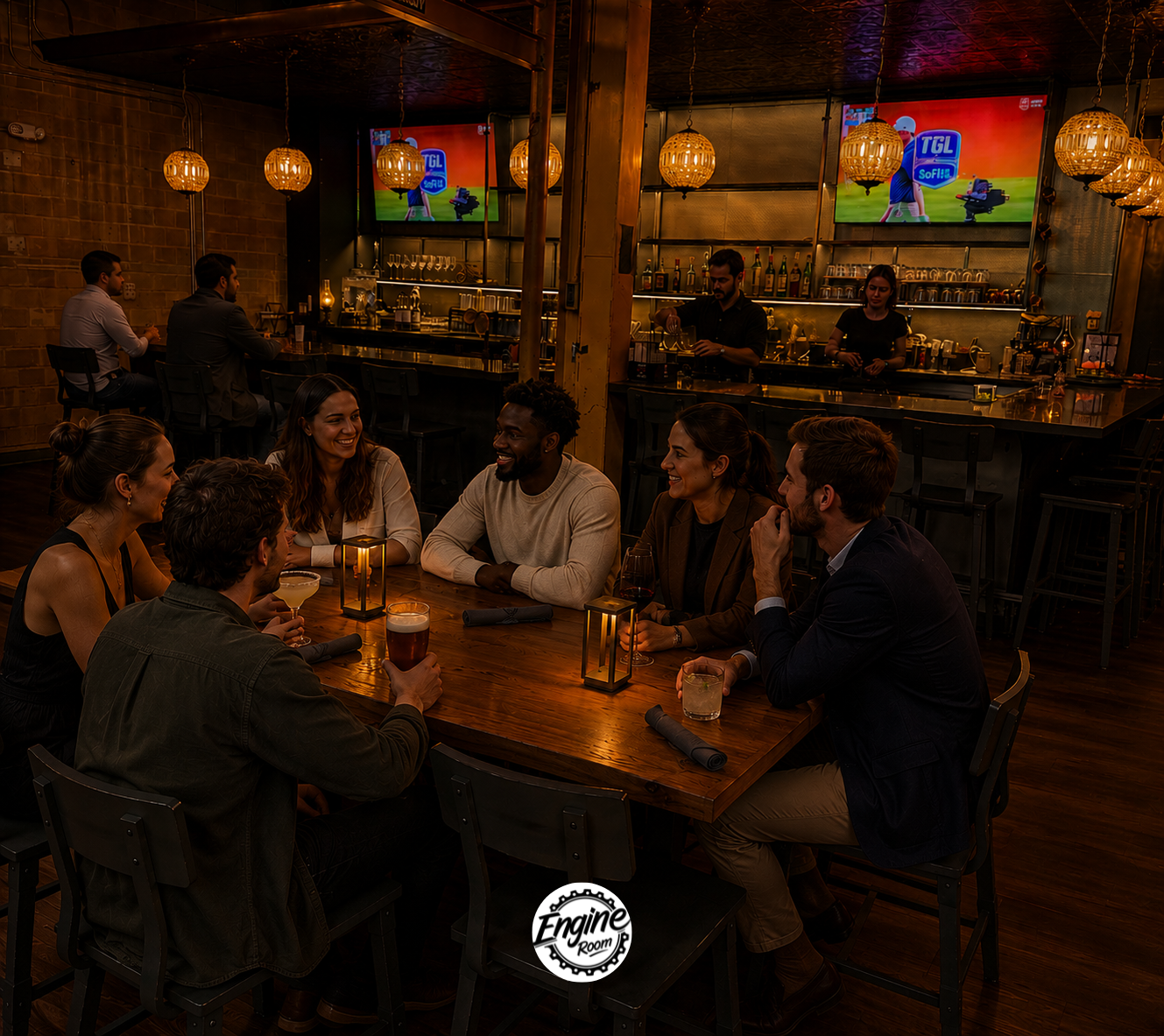
Food is important, but it's only one part of what guests expect. People want to feel entertained, welcomed, and comfortable enough to linger longer than planned. That's why successful pubs create a sense of occasion, even on a regular weeknight. A great drink list, a lively soundtrack, good lighting, and attentive staff all work together to make the experience memorable.
This shift reflects broader consumer behavior. Many now choose venues based on the overall environment, not just the menu. The rise of competitive socializing has made activities like darts, bowling, and immersive games part of the hospitality scene. Industry coverage from Harri and Arla Pro shows how pubs are adapting to keep guests engaged longer and encourage repeat visits.
Social Interaction Keeps Them Coming Back
When guests have a full experience, they're more likely to return with friends, celebrate milestones, or recommend the venue to others. This is especially true for younger diners, who prioritize shareable experiences and places that feel unique. A pub offering variety and personality becomes part of someone's routine, not just a one-time stop.
This is where thoughtful layout and service come in. Even a strong menu can feel forgettable if the room is awkward, the energy is flat, or the staff seems rushed. On the flip side, a thoughtful experience can make a familiar menu feel fresh every time. That balance is what turns a pub into a favorite neighborhood spot.
The Importance of Ambience and Design
Blending Heritage and Modern Style
One clear trend in pub design is mixing old and new. Guests love character, but they also want comfort, clean lines, and visual appeal. Exposed brick, warm woods, reclaimed details, and industrial finishes create a sense of history, while contemporary lighting, flexible seating, and modern art keep the space feeling current. The best interiors offer both coziness and style.
The room should feel intentional at first glance. A welcoming bar, clear sightlines, and comfy seating can influence how long people stay and how relaxed they feel. A venue like Central Ninth benefits when design supports both casual drop-ins and longer social visits. According to hospitality design discussions from DealStream, location visibility and atmosphere are key to long-term success.
Setting the Mood with Lighting and Music
Lighting is one of the most underrated elements in a pub. Too bright, and it feels sterile. Too dark, and it becomes hard to navigate. Warm, layered lighting helps guests relax, photographs well for social sharing, and suits different times of day, from early dinners to late-night drinks.
Music plays a similar role. The right playlist adds energy without drowning out conversation. Layout matters too, especially during busy times when guests need space to move comfortably between the bar, tables, and restrooms. These details may seem small, but they're often what guests remember most about a great night out.
Service: The Heart of Hospitality
Personal Touches Build Loyalty
Guests can find good food anywhere, but they return to places where they feel recognized and cared for. That's why service is such a defining part of the pub experience. Friendly, attentive staff who remember regulars’ preferences or anticipate needs make the experience feel personal. These little moments can have a bigger impact than a standout menu item.
Training is crucial here. Great hospitality teams know how to read the room, offer help without hovering, and stay calm during busy periods. They understand that different guests want different levels of interaction. Some want recommendations and conversation, while others prefer efficient, low-key service. A strong pub team adapts naturally to both.
Combining Efficiency with Warmth
Today's guests are increasingly comfortable with digital ordering and streamlined service. NielsenIQ reports that 55% of pub-goers prefer pre-booking or digital ordering methods, showing that convenience is now a part of the customer experience. But that doesn't mean service should feel impersonal; it means the best operators use technology to free staff to focus on the human side of service.
When ordering is easier, staff can spend more time checking tables, explaining specials, and creating genuine connections. The result is a smoother experience with fewer bottlenecks. To see how that balance works in practice, compare digital convenience with the in-person touch that defines a strong restaurant and bar in Glendale. Great systems support the staff instead of replacing them.
How Technology is Shaping Pub Visits
Digital Ordering Eases the Experience
Technology is now a natural part of the modern pub journey. Guests expect simple reservation systems, QR-based ordering, quick payment options, and clear menu information on their phones. When technology is well implemented, it shortens waits and gives patrons more control over their time; visits feel smoother and more premium.
The key is to make digital tools feel helpful rather than disruptive. A good system shouldn't confuse first-time visitors or create a barrier between staff and guests. It should reduce friction, especially during peak hours, and allow people to spend more time socializing. For many venues, this is no longer a luxury but a necessity.
Self-Pour Systems Encourage Exploration
One of the hottest innovations is self-pour technology. These systems let guests sample and pour from selected taps, offering convenience and control. Research from GoTab suggests payback periods can be as short as 8 to 16 months in some settings, which is why operators are interested. Beyond efficiency, self-pour setups can encourage exploration and increase average spending.
That said, self-pour is most effective when it fits the venue’s identity. It works well in places where discovery and social interaction are already part of the concept. In a well-designed pub, technology should support the mood, not overpower it. The goal is to make guests feel empowered while preserving the warmth and personality of the venue.
The Growing Importance of Beverage Variety
Why Low- and No-Alcohol Options Matter
Guests are changing how they drink, and the data is clear. In 2023, sales of low- and no-alcohol drinks in pubs increased by 23%, with draught options leading the category. This growth reflects a shift toward balance, wellness, and flexibility. Many patrons now want a night out that feels social without heavy alcohol consumption.
The sober-curious movement is part of this trend. Recent insights show that 19.4% of pub-goers "never or rarely drink alcohol," so beverage programs must cater to a wider range of preferences. A great pub experience should allow groups with mixed drinking habits to enjoy the same table without compromise. That's how you build inclusivity into hospitality.
Crafting Intentional Beverage Menus
The best beverage programs are built with as much care as the food menu. Non-alcoholic drinks shouldn't be an afterthought. Well-made zero-proof cocktails, refreshing house sodas, premium teas, and creative draft options can elevate the experience for everyone at the table. Guests notice when a venue treats these choices seriously.
For those interested in pairing drinks with meals, thoughtful beverage guidance can make a big difference. A helpful resource, like how to match the right drink with your meal, can inspire smarter ordering and a more memorable visit. The more options guests have, the more likely they are to find something that fits both the occasion and their personal preferences.
Events and Entertainment Keep Things Lively
Pubs as Activity Hubs
One of the biggest changes in hospitality is the move toward experience-led venues. Instead of asking guests to simply eat and leave, pubs are creating reasons for people to stay, interact, and come back. Trivia nights, themed parties, live DJs, game rooms, and immersive activities can turn an ordinary evening into something special. This approach also encourages larger groups and longer visits.
Competitive socializing is effective because it blends entertainment with hospitality. Guests don't have to choose between dinner and fun; they can do both in one place. Examples like Boom Battle Bar and NQ64 show how immersive concepts can create strong demand by offering something different from the standard night out. Insights from Jellybean Creative highlight how these experiences appeal to guests who want something playful and social.
Events Bring a Venue to Life
Regular events give guests a reason to check back often and plan. Live music can attract weekend traffic, themed dinners can fill slower nights, and seasonal celebrations can create a sense of community. The best event calendars aren't random; they're designed around the audience, the neighborhood, and the venue’s personality. A pub that understands its crowd can create programming that feels natural rather than forced.
In a city with a strong cultural identity and active social scene, event programming matters even more. A modern restaurant and bar in Ballpark can use pre-game energy, post-show gatherings, or neighborhood nightlife to build momentum around special events. When hospitality and entertainment come together, the venue becomes a destination instead of just a stop along the way.
Building Community for Long-Term Success
Consistency Creates Regulars
One sign of a great pub is the number of regulars it attracts. People return to places that feel stable, familiar, and genuinely part of their routine. That happens when the food is reliable, the service is steady, and the atmosphere remains welcoming over time. Consistency builds trust, and trust creates loyalty.
Community connection can also be built through local partnerships, neighborhood events, and a clear sense of identity. A pub that supports local culture feels more like a shared space and less like a generic business. Guests notice when a venue understands what matters to the area it serves. That emotional connection often matters just as much as the menu itself.
Local Relevance Strengthens the Experience
In Salt Lake City, the best hospitality spots often reflect the city’s mix of outdoor activity, social energy, and diverse audiences. Guests may be looking for a post-hike drink, a casual dinner after work, or a lively place to gather with friends. That means a pub experience should feel flexible and approachable while still offering something memorable. This is where neighborhood identity becomes a competitive advantage.
For example, venues in walkable districts can lean into easy access, relaxed seating, and social energy. A restaurant and bar in Capitol Hill might emphasize comfortable pacing and community-minded service, while another part of the city may focus more on game nights or live entertainment. The key is that the experience matches the audience it serves.
Striking a Balance Between Comfort, Convenience, and Personality
Comfort Encourages Lingering
Comfort involves more than just plush chairs. It includes temperature, noise level, table spacing, service timing, and how easy it is to relax once seated. Guests should feel invited to stay for one more drink, one more conversation, or one more round of appetizers. That lingering effect is often a sign of a successful experience.
Comfort also extends to menu structure and portion style. Shareable plates, hearty mains, and flexible dining options help groups settle in without overthinking the order. A pub that nails this balance makes it easy for different kinds of guests to enjoy themselves together. That's one reason modern pub food is often bold, comforting, and easy to share.
Making Visits Effortless
Convenience shows up in parking, reservations, ordering, payment, and menu clarity. The less friction a guest encounters, the more relaxed the experience feels. This is especially important in competitive markets where guests have many options. If a venue is easy to find, easy to enter, and easy to enjoy, it already has an edge.
At the same time, convenience should never erase character. The best pubs use efficient systems to support a memorable atmosphere rather than replacing it. That's why successful operators often combine streamlined operations with a strong design identity and a thoughtful brand voice. Convenience gets guests in the door; personality gives them a reason to return.
What Guests Remember Most
The Feeling Matters More Than the Checklist
When people talk about a great pub afterward, they rarely only mention the menu. They talk about how the place felt: whether the staff was warm, whether the music was right, whether the room had energy, and whether they would happily go back. That emotional memory is the real product. Great hospitality turns a series of details into a single, positive impression.
This is why the best operators design every touchpoint with intention. From the first greeting to the last payment, every moment contributes to how the guest judges the visit. If the evening felt easy, fun, and personal, guests are much more likely to see the pub as a favorite. That's the standard modern pubs should aim for.
Building Repeat Business Through Experience
Novelty can drive an initial visit, but consistency and quality create repeat business. Guests may come for an event or a new drink, but they return because the overall experience was worth repeating. That means pubs need both excitement and reliability. A strong identity gives the venue character, while dependable hospitality keeps it credible.
For operators, that often means reviewing the guest journey regularly and asking what feels smooth, what feels confusing, and what makes people stay longer. It also means keeping an eye on industry trends without losing sight of the basics. The best experiences are built when new ideas support, rather than replace, hospitality fundamentals.
Wrapping Up: Creating a Pub Experience People Talk About
A great pub experience in 2026 is about far more than food. It's the combination of atmosphere, service, design, technology, beverage variety, events, and community connection that makes a visit memorable. Guests want places that feel social and easy to enjoy, but also distinct enough to remember and recommend. The venues that succeed understand how all these pieces fit together.
If you're in the hospitality business, the lesson is clear: focus on the whole experience. Make the room welcoming, train staff to be personal and observant, offer choices that reflect changing drinking habits, and create reasons for guests to stay longer. To learn more about a space built around that philosophy, explore Engine Room’s locations and see how a modern restaurant and bar in Salt Lake City can turn a simple night out into something special. And if you're planning your next visit, look for the places that make you want to relax, connect, and come back.
Ready to enjoy a pub atmosphere that goes beyond the plate? Visit Engine Room, book a table, and experience how great service, strong drinks, and a lively setting create a night to remember.